
Celebrate the return of the Light with ancient wisdom, cozy rituals, and powerful intentions.
Yule—also known as the Winter Solstice—is one of the oldest and most enchanting celebrations in the Wheel of the Year. For modern witches, spiritual seekers, and pagan-leaning souls, Yule marks a powerful turning point: the longest night of the year and the rebirth of the Sun.
Whether you’re building a holiday altar, crafting witch balls, decorating with winter greenery, or performing a solstice ritual, Yule invites you to slow down, reflect, and welcome the returning light with intention.

What Is Yule? (Meaning & Origins)
Yule is a pagan sabbat traditionally observed on or around December 21st, when the Northern Hemisphere tilts furthest from the Sun. This ancient festival sits opposite Litha (the Summer Solstice), symbolizing:
-
The rebirth of the Sun
-
Renewal, hope, and new beginnings
-
The victory of light over darkness
-
The cycle of life, death, and rebirth
Yule was celebrated by Germanic and Norse peoples with evergreens, feasting, firelight, and storytelling. Many modern “Christmas” traditions—such as holly, mistletoe, Yule logs, and decorated evergreen trees—come directly from Yule’s pagan roots.
Yule Symbolism & Magical Energy
Yule’s energy is deep, quiet, and powerful—perfect for magic centered on:
-
New beginnings
-
Protection and banishing negativity
-
Hope and renewal
-
Returning light & personal growth
-
Inner healing and reflection
-
Shadow work and truth-seeking
The Sun’s rebirth mirrors your own: a chance to start fresh, reset your spirit, and realign with your highest path.


Get your own Yule Witch Ball here.
Traditional Yule Symbols
Including these items in your rituals, home décor, or altar can amplify the magic:
-
Evergreen branches
-
Pine, cedar, and fir
-
Holly & ivy
-
Yule logs
-
Antlers
-
Candles (gold, white, and green)
-
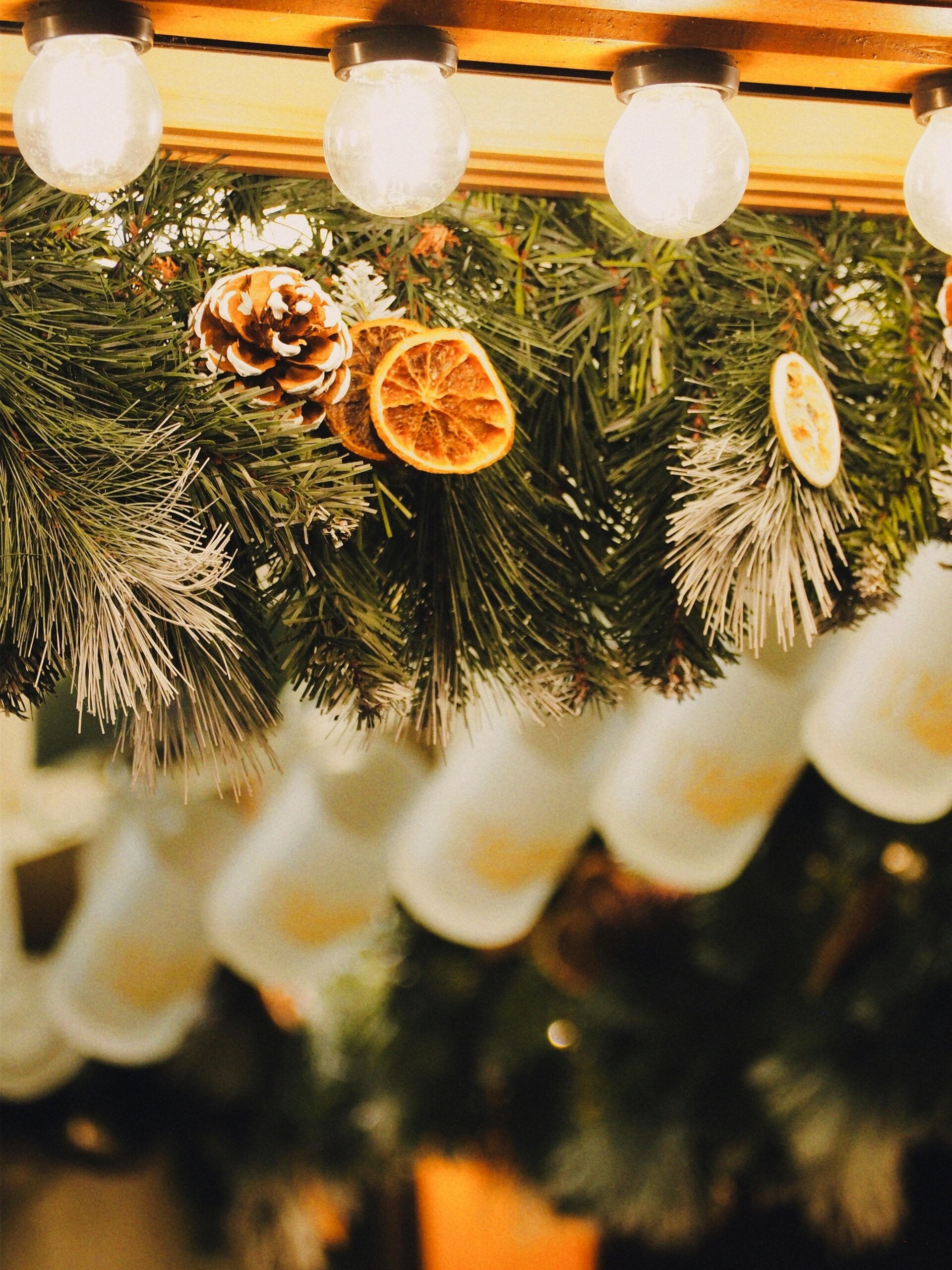
Winter citrus (oranges & cloves)
-
Bells
-
Mistletoe
-
Sun wheels or solar symbols
-
Handmade Yule witch balls
These symbols represent endurance, protection, the cycle of seasons, and the returning sun.
How to Celebrate Yule (Modern Witch Tips)


Whether you practice witchcraft, follow pagan traditions, or simply enjoy spiritual self-care, here are beautiful ways to celebrate the solstice:
1. Build a Yule Altar
Include winter greenery, candles, sun symbols, cinnamon sticks, pinecones, and crystals like:
-
Citrine (sun magic)
-
Garnet (protection & grounding)
-
Clear quartz (clarity and renewal)
2. Perform a Solstice Candle Ritual
Light a single candle after sunset on Yule night. Meditate on:
-
What you’re releasing from the year
-
What new beginnings you’re calling in
-
How you want your “inner sun” to grow in the months ahead
3. Burn (or Craft!) a Yule Log
Yule logs traditionally symbolize protection and the sun’s rebirth. Decorate with evergreen, orange slices, cinnamon, and ribbon—or use a flameless version if you prefer.
4. Simmer Pot for Yule Blessings
Create a warming blend such as:
-
Orange peel
-
Cinnamon
-
Cloves
-
Rosemary
-
Pine
-
Star anise
-
Cranberry
This invites blessings, warmth, protection, and holiday magic into your home.
5. Craft Yule Witch Balls
These are one of the most popular witchy Yule crafts—and perfect for Etsy, markets, or your own home. Fill with herbs, cinnamon sticks, moss, winter greenery, charms, or protective intentions.
6. Practice Yule Self-Reflection
Yule is ideal for journaling prompts like:
-
What am I ready to release before the new year?
-
Where do I want to grow in the returning light?
-
What part of me needs nourishment right now?
7. Perform a “Return of the Light” Ritual
Open your blinds or step outside at sunrise the morning after Yule. Welcome the new sun with gratitude and intention.
Foods, Herbs & Scents of Yule
Traditional Yule correspondences help enhance the season’s magic:
Herbs & Botanicals
-
Pine, cedar, fir
-
Mugwort
-
Bay leaf
-
Rosemary
-
Cinnamon
-
Clove
-
Orange peel
-
Juniper
Scents
-
Winter spice
-
Evergreen
-
Citrus
-
Frankincense & myrrh
Foods
-
Spiced cider
-
Mulled wine
-
Gingerbread
-
Nuts & dried fruit
-
Roasts and hearty soups
-
Honey cakes

Add comment
Comments
I enjoyed this article very much. It's concise, informative, and well-written. As someone just diving into Paganism, this is precisely what I needed. Thank you!